

Living with autoimmune conditions in South Miami doesn't mean you have to accept constant inflammation, fatigue, and unpredictable flare-ups. Your food choices can become your most powerful ally in managing autoimmunity, and with the right anti-inflammatory approach, you'll discover how to transform your daily meals into healing medicine.
At Advice For Wellness, we've witnessed remarkable transformations when our Pinecrest and South Miami patients embrace targeted anti-inflammatory nutrition. You're about to learn the exact strategies that have helped hundreds of our patients reduce their symptoms, boost their energy, and reclaim control over their autoimmune journey.
Understanding How Anti-Inflammatory Foods Transform Autoimmunity
Your immune system's confusion lies at the heart of autoimmune conditions: it mistakenly attacks healthy tissue, creating chronic inflammation that fuels symptoms like joint pain, brain fog, digestive issues, and overwhelming fatigue. Anti-inflammatory eating works by providing your body with specific nutrients that calm this immune overreaction while eliminating foods that trigger inflammatory cascades.
When you consistently choose anti-inflammatory foods, you're supplying your body with powerful antioxidants, phytochemicals, and fiber that actively reduce inflammatory markers in your bloodstream. Research shows that people following anti-inflammatory protocols experience significant symptom improvements within 3-11 weeks, with some patients seeing inflammation decrease by up to 29%.
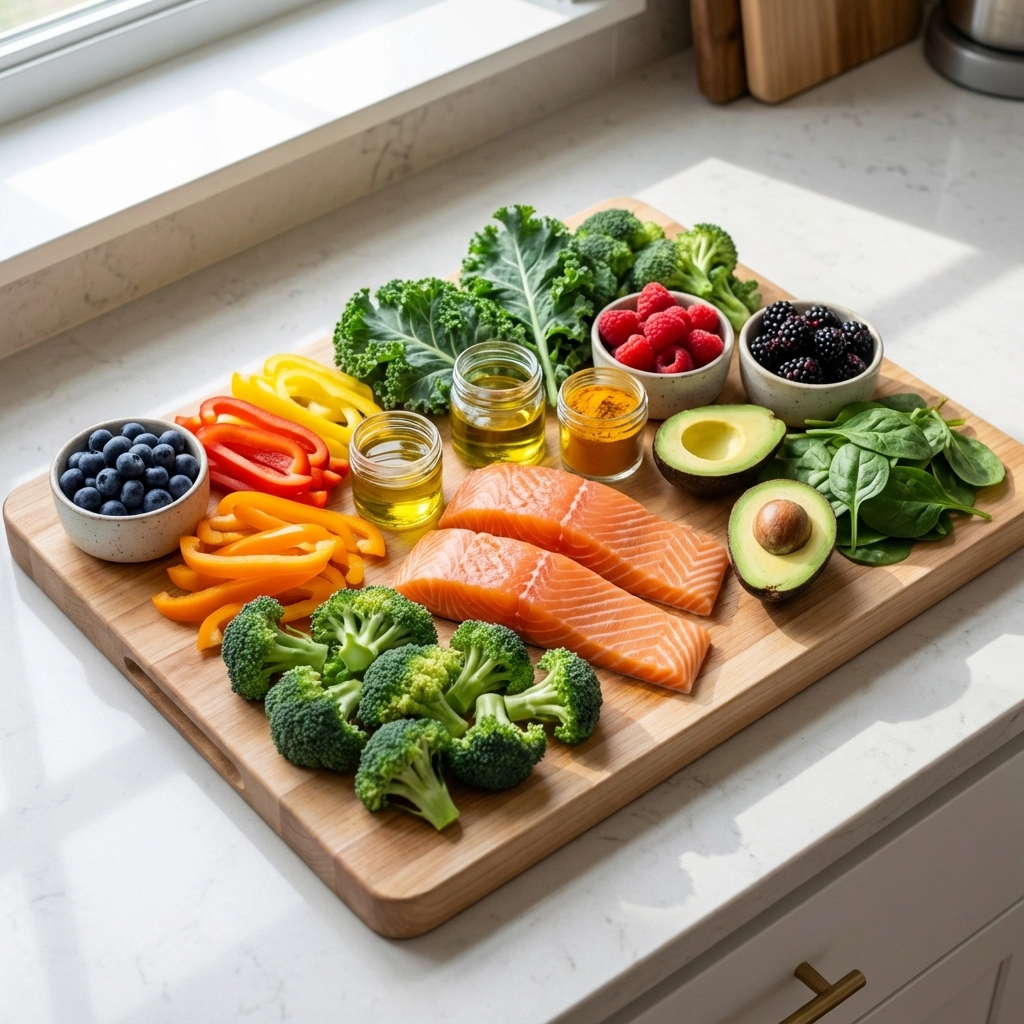
The key difference between standard healthy eating and anti-inflammatory nutrition lies in precision: every food choice either supports immune balance or contributes to inflammation. You'll learn to identify which foods serve as medicine and which ones sabotage your healing progress.
Your Daily Anti-Inflammatory Powerhouse Foods
Omega-3 Rich Proteins That Heal
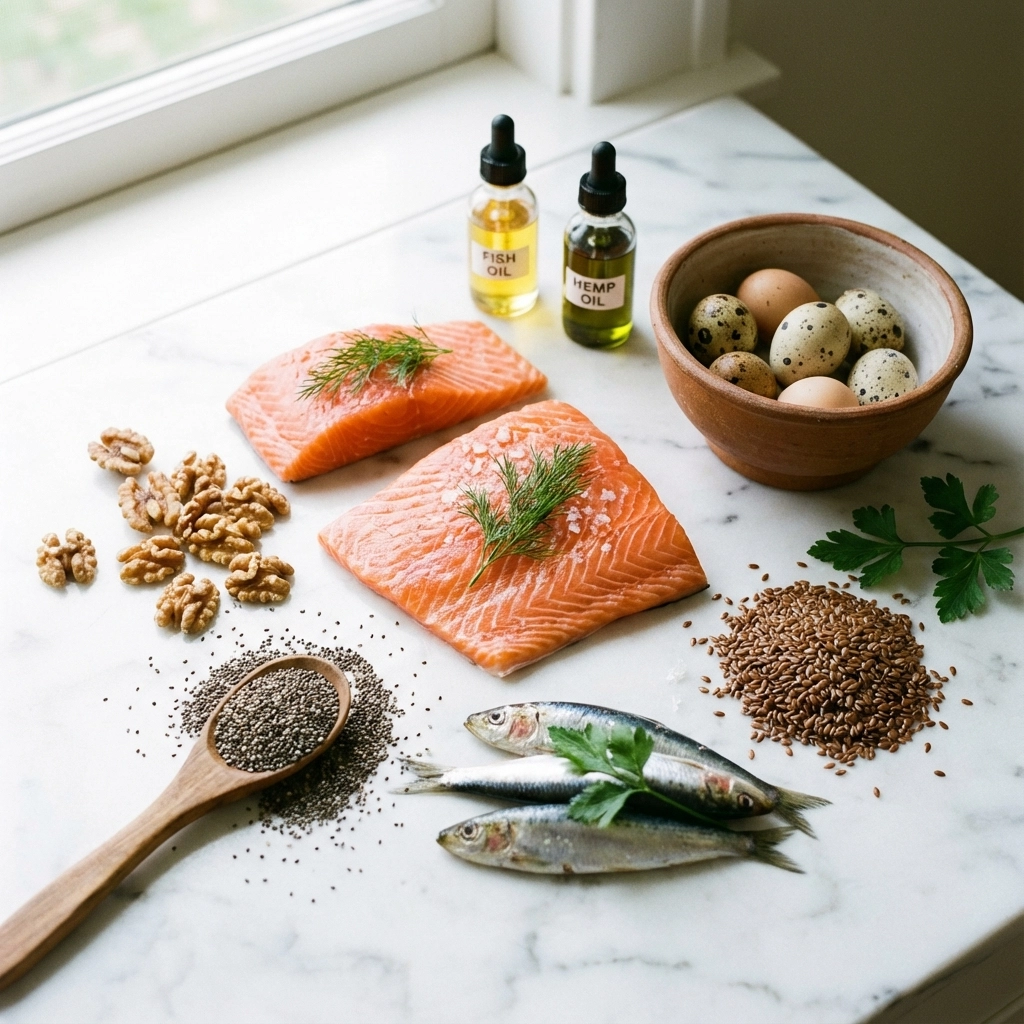
Make fatty fish your protein priority at least twice weekly. Salmon, sardines, mackerel, and herring deliver concentrated omega-3 fatty acids that directly combat inflammatory pathways in your body. These aren't just nutritious choices: they're therapeutic interventions that can measurably reduce autoimmune inflammation.
Beyond fish, incorporate these inflammation-fighting proteins:
- Wild-caught seafood for clean omega-3s without inflammatory additives
- Pasture-raised eggs rich in anti-inflammatory omega-3s
- Organic legumes and beans providing fiber that supports gut healing
- Grass-fed bone broth containing collagen and minerals that repair intestinal permeability
Antioxidant-Packed Produce for Immune Balance
Your vegetables and fruits aren't just side dishes: they're your primary source of inflammation-fighting compounds. Focus on deeply pigmented produce that signals high antioxidant content:
Daily Vegetable Priorities:
- Dark leafy greens (kale, spinach, arugula) loaded with immune-modulating nutrients
- Cruciferous vegetables (broccoli, cauliflower, Brussels sprouts) supporting detoxification
- Colorful bell peppers providing vitamin C and bioflavonoids
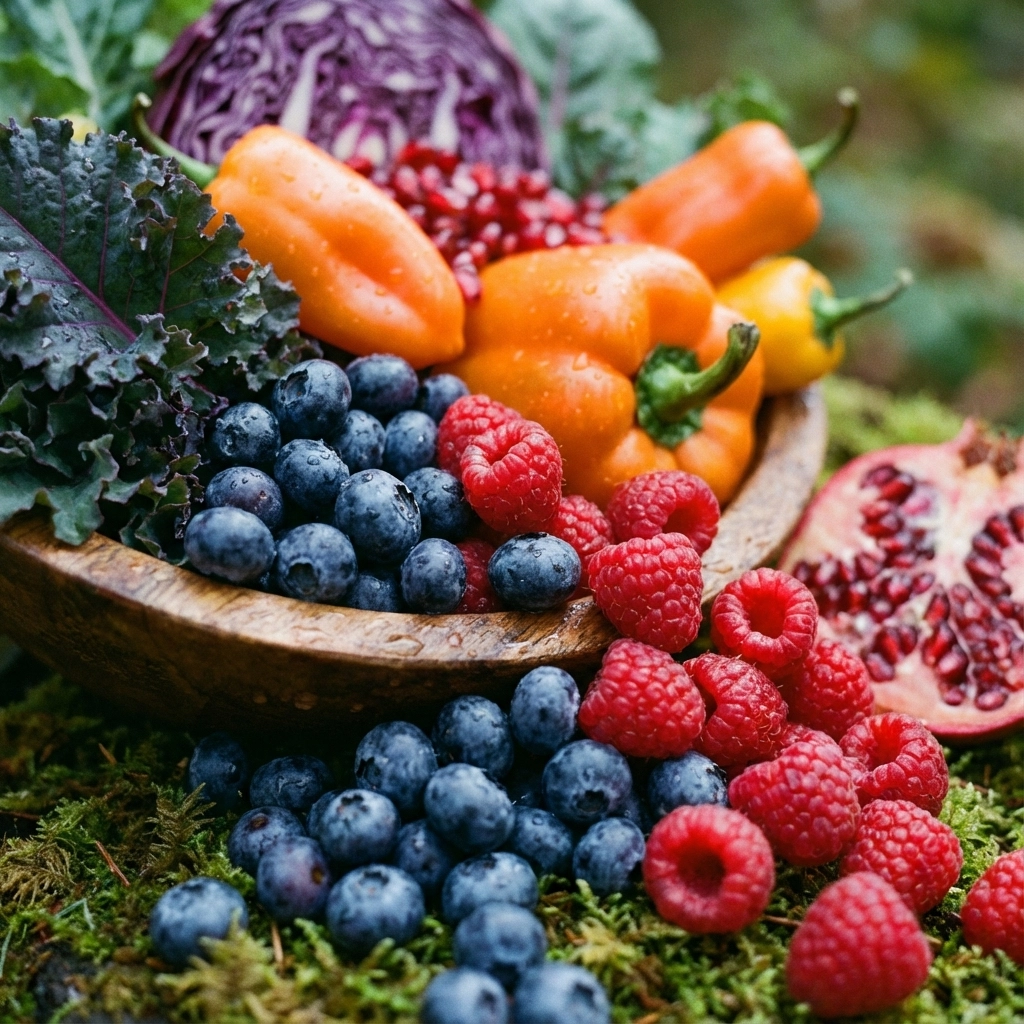
- Purple cabbage and red onions rich in anthocyanins
Strategic Fruit Choices:
- Berries (blueberries, blackberries, raspberries) offering the highest antioxidant density
- Tart cherries containing natural anti-inflammatory compounds
- Pomegranate providing punicalagins that reduce autoimmune activity
Healing Fats That Reduce Inflammation
Not all fats are created equal in autoimmune management. You'll want to prioritize monounsaturated and omega-3 polyunsaturated fats while eliminating inflammatory omega-6 oils:
Your Go-To Healthy Fats:
- Extra virgin olive oil for cooking and dressings
- Avocados and avocado oil for versatile nutrition
- Raw nuts and seeds (walnuts, flaxseeds, chia seeds) providing plant-based omega-3s
- Coconut oil offering medium-chain triglycerides that support gut health
Whole Grains and Fiber for Gut Healing
Your digestive system plays a crucial role in autoimmune regulation, and fiber-rich whole grains support beneficial bacteria that modulate immune function. Choose nutrient-dense options like:
- Quinoa providing complete protein and anti-inflammatory minerals
- Brown rice offering gentle, easily digested carbohydrates
- Steel-cut oats rich in beta-glucan fiber
- Buckwheat containing rutin, a powerful anti-inflammatory compound
Therapeutic Herbs and Spices
Transform your meals into medicine by incorporating these inflammation-fighting seasonings daily:
- Turmeric with black pepper for enhanced curcumin absorption
- Fresh ginger providing gingerol compounds that reduce inflammatory markers
- Garlic and onions containing sulfur compounds that support detoxification
- Fresh herbs like parsley, cilantro, and basil offering concentrated antioxidants
Foods to Eliminate for Autoimmune Healing
Standard Inflammatory Triggers
These foods consistently promote inflammation and should be eliminated from your anti-inflammatory protocol:
- Refined sugars and processed sweeteners that spike blood glucose and trigger inflammatory cascades
- Processed and packaged foods containing inflammatory preservatives, artificial colors, and trans fats
- Refined vegetable oils (corn, soy, safflower, sunflower) high in inflammatory omega-6 fatty acids
- Alcohol which impairs liver detoxification and increases intestinal permeability
The Autoimmune Protocol (AIP) Approach
For more severe autoimmune conditions, you might benefit from the stricter Autoimmune Protocol, which temporarily eliminates additional potential triggers:
AIP Eliminated Foods:
- All grains and pseudo-grains
- Legumes and beans
- Dairy products
- Eggs
- Nuts and seeds
- Nightshade vegetables (tomatoes, peppers, eggplant, potatoes)
- Certain spices derived from seeds
The AIP approach allows you to identify your specific inflammatory triggers through systematic reintroduction after your symptoms improve. Many of our South Miami patients discover they can successfully reintroduce some eliminated foods while maintaining symptom control.
Your Implementation Strategy for Success
Week 1-2: Foundation Building
Start by crowding out inflammatory foods with nutrient-dense alternatives rather than focusing on restrictions. Add one serving of fatty fish, increase your vegetable intake at each meal, and replace refined oils with olive oil or avocado oil.
Week 3-4: Elimination Phase
Begin removing obvious inflammatory triggers: processed foods, refined sugars, and inflammatory oils. Stock your kitchen with approved alternatives so you're never caught without healthy options.
Week 5-8: Optimization and Monitoring
Pay close attention to how your energy, sleep, digestion, and autoimmune symptoms respond. Keep a detailed food and symptom journal to identify patterns and progress.

Reintroduction Protocol
If following the AIP approach, begin reintroducing eliminated foods one at a time after 30-60 days of strict compliance. Avoid reintroductions during stressful periods, illness, or poor sleep, as these factors can mask true food reactions.
Creating Your Anti-Inflammatory Meal Framework
Daily Meal Structure
Breakfast: Combine protein, healthy fats, and vegetables
- Example: Vegetable-packed omelet cooked in olive oil with avocado
Lunch: Focus on colorful vegetables with quality protein
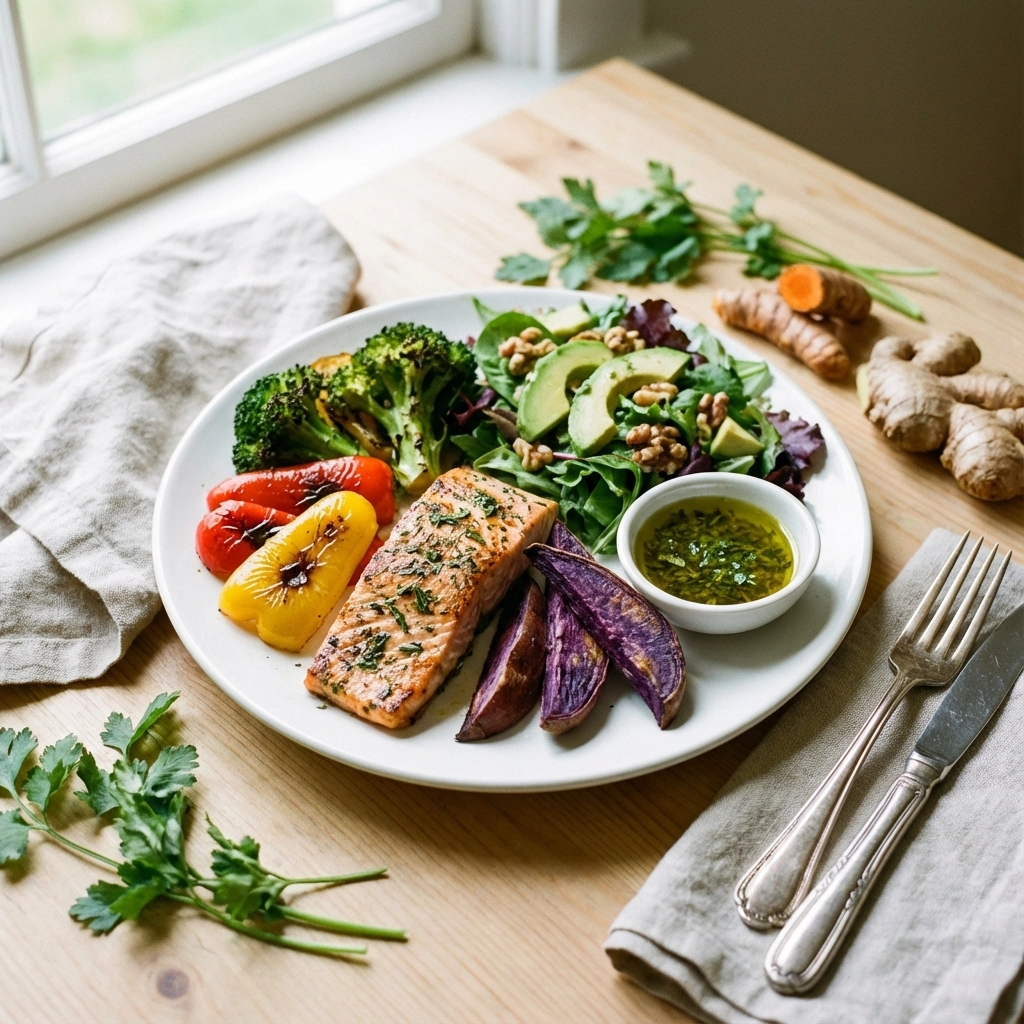
- Example: Mixed greens salad with wild-caught salmon and olive oil dressing
Dinner: Emphasize anti-inflammatory vegetables and herbs
- Example: Grass-fed meat with roasted vegetables seasoned with turmeric and ginger
Snacks: Choose nutrient-dense options
- Example: Raw vegetables with avocado or a handful of approved nuts
Shopping and Preparation Tips
Stock your South Miami kitchen with anti-inflammatory staples by shopping the perimeter of grocery stores where fresh, whole foods are located. Batch-cook proteins, pre-cut vegetables, and prepare anti-inflammatory spice blends to make daily meal preparation effortless.
Consider connecting with local South Miami farmers' markets for the freshest, most nutrient-dense produce available. The higher the nutrient content, the more anti-inflammatory compounds you'll consume.
Your Path Forward with Professional Support
Implementing an anti-inflammatory protocol for autoimmune conditions requires personalized guidance because every person's triggers and tolerances differ. At Advice For Wellness, we provide comprehensive functional medicine evaluations that identify your specific inflammatory markers and food sensitivities through advanced testing.
Your autoimmune journey doesn't have to be a guessing game. With proper testing, personalized meal planning, and ongoing monitoring, you can create a sustainable anti-inflammatory approach that fits your South Miami lifestyle while delivering measurable symptom improvements.
The time to take control of your autoimmune condition through targeted nutrition is now. Your food choices today become tomorrow's symptom relief, energy levels, and quality of life. Start implementing these anti-inflammatory strategies immediately, and consider scheduling a comprehensive evaluation to accelerate your healing journey with professional guidance tailored specifically to your unique needs.